
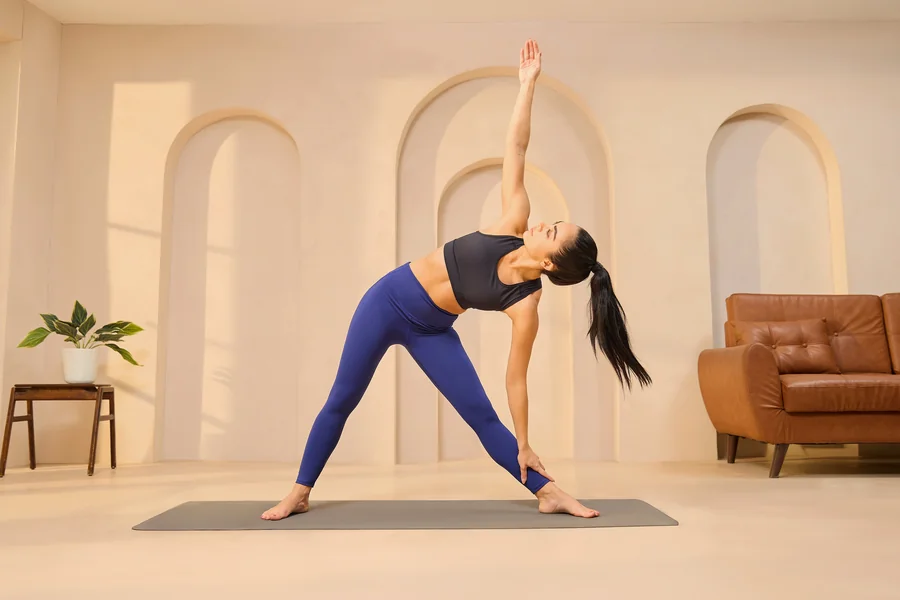
Your activewear needs to be supportive. This will enable your body to move, not to struggle against. When the right pieces are in place, workouts can be less challenging, risky, and uncomfortable. They are also capable of keeping you focused rather than having to fix your clothes every few minutes.
Support begins with the parts that exhibit the greatest body movement during exercise. Workout bras are the first things on many people’s lists. This is because they help minimize bouncing, rubbing, and discomfort. A good one ought to be stiff. But it must not irriate your shoulders, ribcage, or skin. The following are just some of the tips to assist you in selecting supportive activewear to suit all your fitness activities:
1. Start with Your Routine
Various exercises require variations of support. Slow yoga does not require the same pieces as running, jumping, or boxing. When buying activewear, first focus on movement, then style.
Light-impact routines are best with lighter support and soft stretching fabrics. Medium-impact exercises require furniture that remains in position during bends, steps, and rapid transitions. During high-impact training, bands, straps, and fabric must be stronger, sturdier, and capable of maintaining the form.
2. Use a Quick Support Checklist
Prior to purchasing activewear, it is important to determine the feel of the activewear during real activity. Therefore, make your body move the way it would during your regular routine. To do that, do the following:
- Don’t just raise up your arms. See whether the top goes up, too.
- Bend forward and ensure the waistband remains flat.
- Test the control of bouncing. You can do so by doing some smaller jumps.
- Don’t just twist side to side. Observe any rubbing or pulling, too.
3. Match Waistbands to Movement
Waistbands can transform your entire workout experience. A broad waist also offers greater comfort. That is because it distributes stress across your midsection. A tight waistband can pierce their flesh during squats, lunges, or floor work.
When choosing between yoga and Pilates, opt for a more flexible waistband that bends or rolls easily. To run or practice HIIT, select sturdy waistbanding that won’t slip down. To perform strength training, ensure leggings are worn. This will ensure that they do not fall when hinging, bending, or stretching.
4. Think About Seams and Skin Comfort
Minor details can prove to be a huge factor. On the long walks, spin classes, or repeats, raised seams may rub. Flat seams tend to be more comfortable and help eliminate irritation.
Also, see where straps, bands, and hems are in your body. They must not make deep impressions or produce harsh impressions. Supportive active wear, must not be hung around your body. Rather they must be close to your body.
In conclusion, the most supportive activewear is reliant upon your movement, sweat, bending, and training. Before picking a piece, consider fit, fabric, level of support, seams, and waistbands. When your active wear aligns with your routine, your exercise will be much more enjoyable.
